

In Russia, the escort industry exists in a gray zone-technically illegal in its organized forms, yet widespread in practice. Unlike countries where prostitution is decriminalized or regulated, Russia treats solicitation, pimping, and operating brothels as criminal offenses under Article 241 of the Criminal Code. But enforcement is uneven. In Moscow, St. Petersburg, and other major cities, escort services operate under the guise of "companion services," "tourist assistance," or "entertainment modeling." Many clients and providers treat it as a transactional relationship wrapped in social norms, not outright sex work. The reality is messier than the law suggests.
Some individuals seeking companionship abroad turn to services like escort paris 7, drawn by the contrast in legal clarity elsewhere. While Paris has its own set of rules-where buying sex isn’t illegal but selling it in public or organizing it is-Russia’s system lacks even that level of clarity. There are no licensed zones, no health checks mandated by law, and no legal recourse for workers if they’re exploited. This ambiguity leaves both clients and providers vulnerable.
How the Industry Actually Works
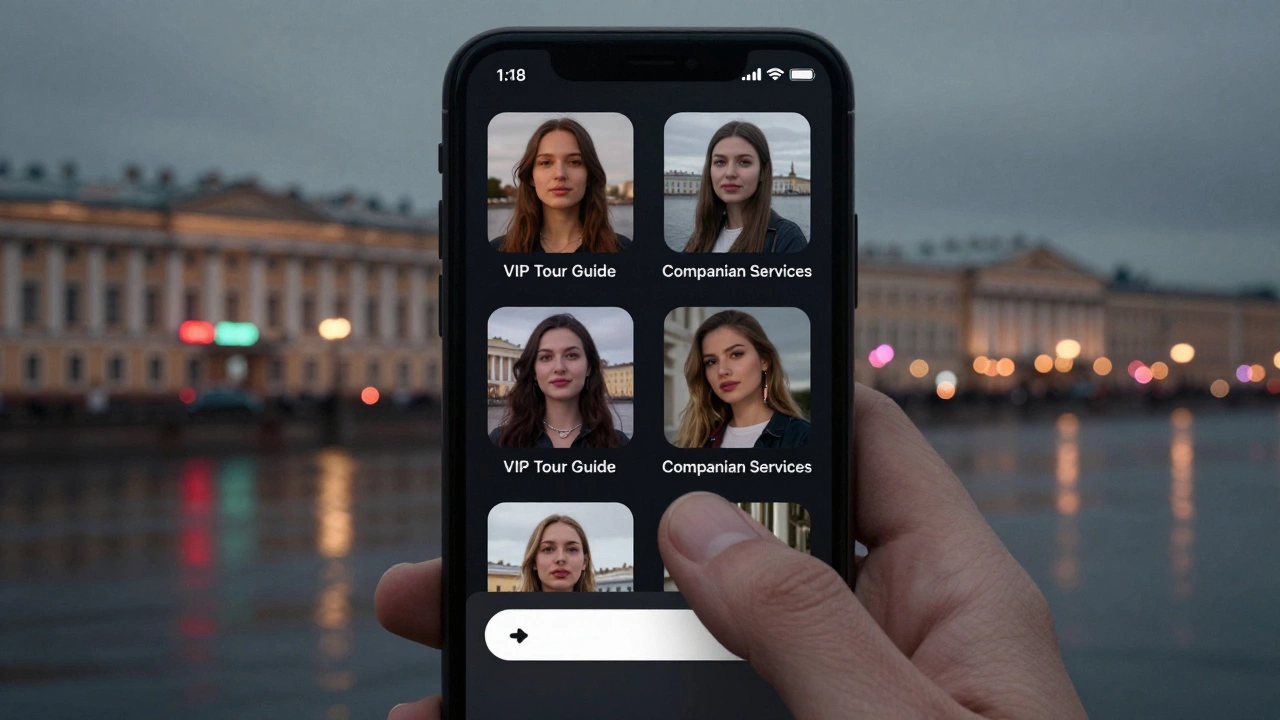
Most Russian escort services don’t have websites with booking systems like those in Western Europe or North America. Instead, they rely on Telegram channels, private VKontakte groups, or word-of-mouth referrals. Profiles are minimal: a photo, age, city, and sometimes a list of services offered in coded language. "Dinner and conversation" might mean an hour of company. "Night out" could mean anything from a walk in the park to a hotel stay. Prices vary widely-5,000 rubles ($55) for a casual meet-up in a provincial town, up to 50,000 rubles ($550) for high-end services in Moscow.
Many women entering this space aren’t driven by choice alone. Economic hardship, lack of access to higher education, or the collapse of regional industries have pushed some into the industry as a way to survive. Others are drawn by the freedom it offers-control over schedule, income, and client selection. It’s not monolithic. Some treat it as a side gig; others see it as a career path with no other viable alternatives.
The Role of Social Stigma
Public perception in Russia is harsh. Women in escort work are often labeled as morally corrupt, even by family members. Men who use these services rarely face the same judgment. This double standard is deeply rooted in Soviet-era gender norms that still linger in rural areas and conservative urban circles. In cities like Kazan or Yekaterinburg, it’s common for neighbors to know who is involved in the industry-even if no one talks about it openly.
As a result, many workers use pseudonyms, avoid social media, and never disclose their work to friends or coworkers. Some rent apartments under false names. Others travel between cities to avoid being tracked. The fear of social ruin is often stronger than the fear of legal consequences.
Legal Risks and Police Tactics
Police raids on escort-related operations do happen, but they’re usually targeted at organizers, not individual workers. In 2023, authorities in Novosibirsk shut down a network that had been operating for five years under the name "VIP Tour Guide Services." Over 30 women were detained, but only two were charged-both were listed as managers. The rest were released after questioning. That pattern repeats across the country: arrest the boss, release the worker.
Some women report being pressured by police to provide information on other workers in exchange for leniency. Others say they’ve been threatened with public exposure if they don’t pay bribes. These tactics create a climate of fear that discourages reporting abuse or seeking help.
International Comparisons and Misconceptions
When people outside Russia hear about escort services there, they often assume it’s like the adult entertainment industries in Thailand, the Philippines, or even parts of Western Europe. It’s not. There are no large-scale agencies with branded websites. No standardized pricing. No visible red-light districts. The industry is fragmented, decentralized, and deliberately hidden.
Some Russian women do work internationally-often in Eastern Europe or Turkey-where visa restrictions are looser. A few even advertise as "Russian companions" in cities like Prague or Budapest. But those who work abroad rarely return home, fearing stigma or legal trouble upon re-entry. One woman from Rostov told a journalist in 2024 that she’d been working in Germany for two years and hadn’t spoken to her parents since she left. "They think I’m a teacher," she said. "I can’t tell them the truth. Not yet. Maybe never."
Meanwhile, in Moscow, a growing number of women are using digital platforms to offer non-sexual services: virtual companionship, language tutoring, or even online roleplay. These services blur the line between escort work and digital content creation. Some earn more from Patreon subscriptions than they ever did from in-person meetings.
The Rise of Digital Alternatives
Younger generations in Russia are turning away from traditional escort models. Apps like Telegram bots, Discord servers, and even TikTok-style short videos are replacing the old classifieds. One 22-year-old from Samara started posting 30-second clips of herself reading poetry in French while wearing vintage dresses. She calls it "emotional companionship." She gets 200 rubles ($2) per video. Her top subscriber pays 10,000 rubles a month just to hear her read Tolstoy in the morning. She says it’s safer, more respectful, and pays better than any hotel room ever did.
This shift reflects a broader trend: the move from physical intimacy to emotional or performative connection. Clients are increasingly looking for someone to talk to, not just someone to sleep with. That’s why terms like "escort girl paris 12" or "escort pornstar paris"-though unrelated to Russia-still circulate in Russian forums. They’re not searches for Parisian services. They’re references to a fantasy of Western freedom, of legality, of being seen as a professional, not a criminal.

What’s Next for the Industry?
There’s no sign the Russian government plans to legalize or regulate escort services anytime soon. The political climate is too conservative, and the moral panic around sexuality remains strong. But the industry is evolving. More workers are learning to use encryption, digital payment tools, and remote communication to reduce risk. Some are even forming informal collectives to share safety tips and legal advice.
Outside observers often assume the industry is declining. It’s not. It’s adapting. The people involved aren’t waiting for the law to change-they’re building systems that work within the cracks. And as long as economic inequality persists and social support systems remain weak, there will always be demand.
One thing is certain: the future of escort work in Russia won’t look like its past. It won’t be about hidden hotel rooms or late-night phone calls. It’ll be about encrypted messages, digital identities, and the quiet rebellion of women choosing how to survive on their own terms. Whether that’s seen as empowerment or exploitation depends on who’s doing the judging.
Why This Matters Beyond Russia
Understanding Russia’s escort industry isn’t just about curiosity. It’s about recognizing how laws shape human behavior in ways that aren’t always visible. When a government criminalizes survival, people don’t stop working-they just get smarter about hiding. They find loopholes. They build networks. They create new forms of labor that fall outside the law but still meet real needs.
That’s happening everywhere-in Ukraine, in Kazakhstan, in parts of Central Asia. The model may change, but the pattern doesn’t. And until societies address the root causes-poverty, lack of opportunity, gender inequality-these underground economies will keep growing, no matter how hard they’re pushed underground.
For anyone trying to make sense of this world, the key isn’t to judge. It’s to listen. To understand the choices people make when they have no real options. And to ask why those options disappeared in the first place.